
American Fork Basement Waterproofing Guide: How Homeowners Can Prevent Leaks, Mold, And Costly Repairs In 2026
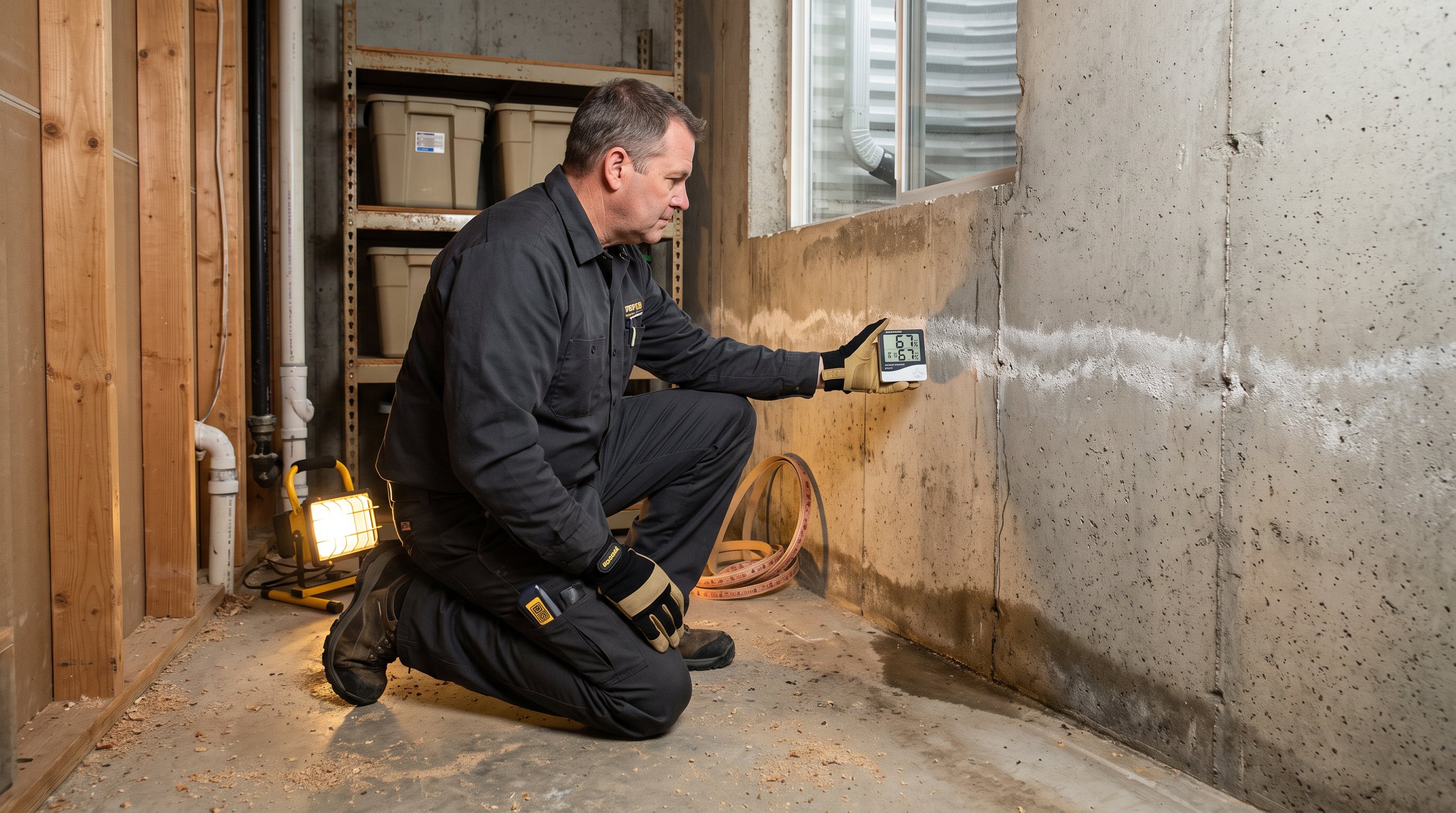
A basement can look perfectly fine right up until the day it doesn't. We've walked into Utah basements that smelled clean from the stairs, then found damp carpet tack strips, white mineral lines on concrete, and humidity readings above 65% once we got a meter on the wall. That's usually how moisture problems start, quietly, then expensively. In this American Fork basement waterproofing guide, we'll break down why local basements get wet, what warning signs matter, and how to choose the right fix before you hang drywall, install flooring, or build out an ADU.
Why Basements In American Fork Are Vulnerable To Moisture Problems
The short answer: soil, snow, and drainage work together against your foundation. Along the Wasatch Front, expansive and shifting soils can hold water against basement walls, then pull away during dry periods. That movement creates pressure, hairline cracking, and seepage paths. The Utah Geological Survey has long documented slope, soil, and groundwater concerns across Utah County, and those conditions show up in real basements, not just reports.
In our own pre-finish inspections, we always check the slab edge, cold joints, and penetrations before a single sheet of drywall goes up. In American Fork, we've seen homes near older neighborhoods and bench areas show the same pattern: downspouts dumping too close to the house, negative grading, then efflorescence blooming in 12- to 24-inch bands along the wall. It's not dramatic flooding at first. It's repeated dampness.
Climate adds another layer. Utah's freeze-thaw cycles and spring snowmelt can push water toward the foundation fast, especially if gutters overflow or window wells clog. FEMA recommends at least 5% grading away from the foundation for the first 10 feet, which equals about 6 inches of fall. If that basic slope is missing, waterproofing inside the basement becomes much harder. That's one reason we treat moisture control as step one in any basement finishing plan, not a cosmetic add-on.
The Warning Signs Your Basement May Need Waterproofing
The clearest answer is this: if moisture is leaving evidence, the problem is already active. We tell homeowners not to wait for standing water. Most basements warn you earlier, and the clues are surprisingly specific.
Interior Clues To Watch For
A musty smell is often the first real giveaway, and it usually shows up before you can see water. The U.S. Environmental Protection Agency notes that indoor humidity should ideally stay between 30% and 50%: once a basement regularly sits above 60%, mold risk climbs fast. On one recent walkthrough, our meter read 68% near a finished wall that looked normal from five feet away.
Watch for peeling paint, swollen MDF baseboards, rust on utility shelving, darkened carpet edges, or chalky white residue on concrete. Efflorescence means water has moved through masonry and left salts behind. Small foundation cracks matter too, especially if they widen, stain, or feel damp after storms. Before recommending layouts, storage rooms, or gyms, we check those conditions because hiding them behind insulation only makes repairs costlier later.
Exterior Drainage Problems That Lead To Water Intrusion
Outside, the surprises are usually simple and fixable. A downspout ending 18 inches from the wall can dump hundreds of gallons near the foundation during a storm. Clogged window wells, settled soil, cracked driveway joints, and sprinklers hitting siding are all repeat offenders. According to the EPA's WaterSense guidance, a single irrigation leak of just 1/32 of an inch can waste about 6,300 gallons of water per month.
We've seen that play out near State Street corridors where tight side yards make drainage easy to ignore. In one case, runoff from a patio pitched toward the house kept wetting a mechanical-room corner. The homeowner thought it was a plumbing issue. It wasn't. A smart inspection looks at the whole chain: roof, gutters, grading, hardscape, and foundation. When exterior clues line up with interior staining, we know it's time for more than a quick patch.
The Most Effective Basement Waterproofing Solutions For Utah Homes
The best solution depends on where the water starts, but the most effective systems usually combine exterior control with targeted interior protection. There's rarely one magic product.
For minor seepage through isolated cracks, low-pressure polyurethane or epoxy injection can work well when the crack is stable and properly cleaned. For broader moisture problems, we often recommend correcting grading, extending downspouts 6 to 10 feet, improving window well drainage, and sealing vulnerable penetrations first. The International Association of Certified Home Inspectors regularly points to exterior water management as the most effective first defense because it reduces hydrostatic pressure before water reaches the wall.
Inside Utah basements, vapor management matters just as much as liquid water control. We use moisture-aware assembly planning before finishes go in, especially if the homeowner wants a theater, gym, or ADU kitchenette. Flooring is a big decision here. In our experience, LVP and engineered hardwood outperform solid wood in below-grade spaces because they tolerate Utah's dry winters and wet shoulder seasons better. For deeper design planning, our American Fork design tips and Utah County flooring guide pair well with a waterproofing plan.
If water is recurring along a wall-floor joint, an interior drain system with a sump may be the right answer. And if the basement will become living space, we also account for code details like egress windows, insulation strategy, and mechanical ventilation so the fix lasts.
How To Decide Between A Simple Fix And A Full Waterproofing Plan
Here's the practical rule: one isolated cause may need a simple fix: repeated moisture from multiple directions usually needs a system. We make that call by matching the symptom to the source, not by guessing from one stain.
A simple fix may be enough if you have a single non-structural crack, one overflowing gutter section, or a window well that backed up during an unusual storm. Those jobs are smaller, faster, and worth doing immediately. But if you've had moisture in more than one season, visible efflorescence on several walls, humidity above 60%, or past finish materials that have already failed, piecemeal repairs tend to waste money.
Our method is straightforward: inspect the exterior grade, roof drainage, concrete flatwork, foundation walls, slab edges, and moisture readings, then compare that to how the homeowner plans to use the space. A storage basement has a different risk tolerance than a mother-in-law apartment or a golf simulator room with expensive finishes. That ROI question matters, which is why we often discuss Utah basement ROI before final scope. Homeowners dealing with similar clay-related drainage patterns can also compare notes from these Riverton waterproofing systems.
If we're seeing multiple failures at once, we'd rather solve the root problem once than trap it behind beautiful new finishes.
What To Expect During Inspection, Repair, And Prevention Work
Most homeowners are surprised by how methodical a good waterproofing project should be. It's not just sealing a wall and hoping. A proper process starts with inspection, moves to source control, then finishes with repairs and prevention details that fit the future remodel.
On our projects, we begin with a free in-home estimate, moisture readings, crack mapping, and a walkthrough of exterior drainage. If we find signs of settling, we document those before any finish work starts. That matters in Utah, where foundation movement can turn a cosmetic crack into a recurring leak path. From there, we build a scope that may include crack repair, drainage corrections, sump work, sealing penetrations, or demolition of damaged materials. Most basement projects overall run about 8 to 14 weeks once full construction begins, though waterproofing-only work is often much shorter depending on access and weather.
Homeowners also want to know what living through the work feels like. We use dust barriers, clean up daily, and give weekly updates so the upstairs stays livable. If the plan includes finishing afterward, we coordinate permits, egress windows, plumbing, and code items up front. That's especially useful for ADUs, guest suites, or family rooms near American Fork neighborhoods like Fox Hollow, where homeowners want both comfort and resale value. Related planning resources on sealing cracks and Salt Lake basement renovation help frame the next steps.
The payoff is simple: a dry basement gives you options. Whether that becomes a rental suite, a home gym with rubber flooring, or a cold storage upgrade, the smartest builds start with moisture under control. If your basement has even one of the warning signs above, fixing it early is almost always cheaper than rebuilding it later.