
How Long Does It Take to Build a Custom Home in Utah?
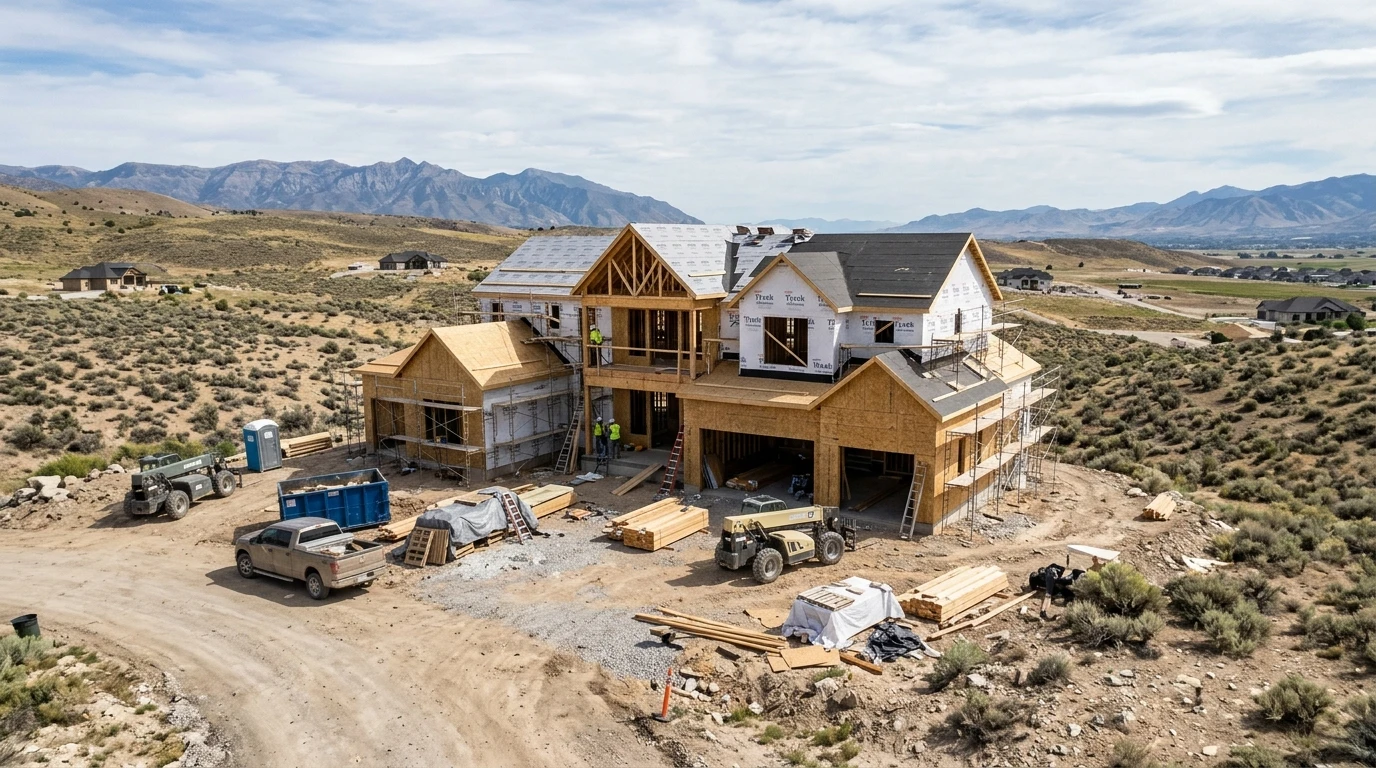
There is no single answer. A straightforward custom home can take the better part of a year from the start of construction. A larger or more complex one, or one on a difficult lot, can take well over a year. And construction is only part of it: design, engineering, permits and financing come first, and they can take as long as the build itself.
The range is wide because the schedule depends on things that differ from lot to lot and from design to design. The honest way to plan is to understand the stages and what moves each one.
Two clocks, not one
People usually ask how long it takes to build, but a custom home has two separate stretches of time:
- Before construction. Land, design, engineering, soils report, permits, financing and bids.
- Construction. From breaking ground to move-in.
The first stretch is the one that surprises people. It depends heavily on you, how quickly decisions get made, and how long the city takes to review plans. Construction time depends more on the builder, the weather and the materials.
The stages
- Land and feasibility. Confirming the lot can be built on, what utilities are available, and what the city will require. Walking the lot with a builder before you buy is the cheapest way to avoid a surprise. See what drives the cost to build a house in Utah.
- Design and engineering. Plans, structural engineering, and a soils report. The number of revisions you go through is the biggest factor in this stage.
- Permits. Plan review by the city or county. Review times vary by jurisdiction and by how busy they are, and corrections can send plans back for another round.
- Financing and bids. A construction loan has its own approval steps, and a final price depends on finished plans and choices.
- Site work and foundation. Clearing, excavation, utilities and the foundation. The weather matters most here, because concrete and excavation are harder in a Utah winter.
- Framing and the building shell. Framing, roof, windows and exterior. This is the stage that looks fastest from the outside.
- Mechanical, electrical and plumbing rough-in. Systems inside the walls, then inspected before they are covered.
- Insulation, drywall and interior finishes. Drywall, paint, cabinets, flooring, tile, trim and fixtures. Long-lead items often set the pace here.
- Exterior, landscaping and final inspection. The city signs off, and you get a certificate of occupancy before you can move in.
Most stages can't start until the one before is finished, and many need an inspection first. That is why a build rarely moves faster than its slowest step.
What makes one project take longer than another
- The lot. Slope, rock, groundwater or poor soils can add work before the house even starts. Utilities that are far away add more.
- Design changes. Changing the plans after permits or after construction starts is one of the most common reasons for delays.
- Size and complexity. Large homes, complicated rooflines, tall ceilings and custom features take longer to build.
- Permit and inspection timing. Review times and inspector availability vary by city, and a failed inspection means a correction and a re-inspection.
- Selections made late. Cabinets, windows, tile and fixtures that are chosen and ordered late can hold up the finishes.
- Materials and labor. Supply and trade availability change from year to year.
- Weather and season. Utah winters slow excavation, concrete and exterior work. Starting in a different season can shift the whole schedule.
- Financing. Draw schedules and loan approvals can pause work if they aren't lined up.
- Contractor availability. A good builder books out. Ask when work could actually start, not just how long it takes after that.
What you can do to keep it moving
- Settle the design and major selections before construction starts.
- Walk the lot with a builder before you buy it.
- Get the soils report and utility information early.
- Keep changes after construction starts to a minimum.
- Line up your financing before you need it.
Questions to ask a builder about timing
- When can you actually start, and what must happen before then?
- Which items in my plan are long-lead, and when should I order them?
- How does the season I would start in affect the schedule?
- What happens to the schedule if a permit comes back with corrections or an inspection fails?
- Will I get a written schedule with milestones, and how will you tell me about delays?
Treat any estimate as a plan, not a promise. If you need to move in by a certain date, work backward from it and leave room for permits, inspections and weather.
For what drives the price, see cost to build a house in Utah. To compare, see how long it takes to finish a basement.
Planning to build in Utah? See our custom home building or book a free estimate and we'll talk through your lot, your plans and what the schedule depends on.