
Weber County Home Remodeling: Where To Start Today For A Smoother, Smarter Renovation In 2026
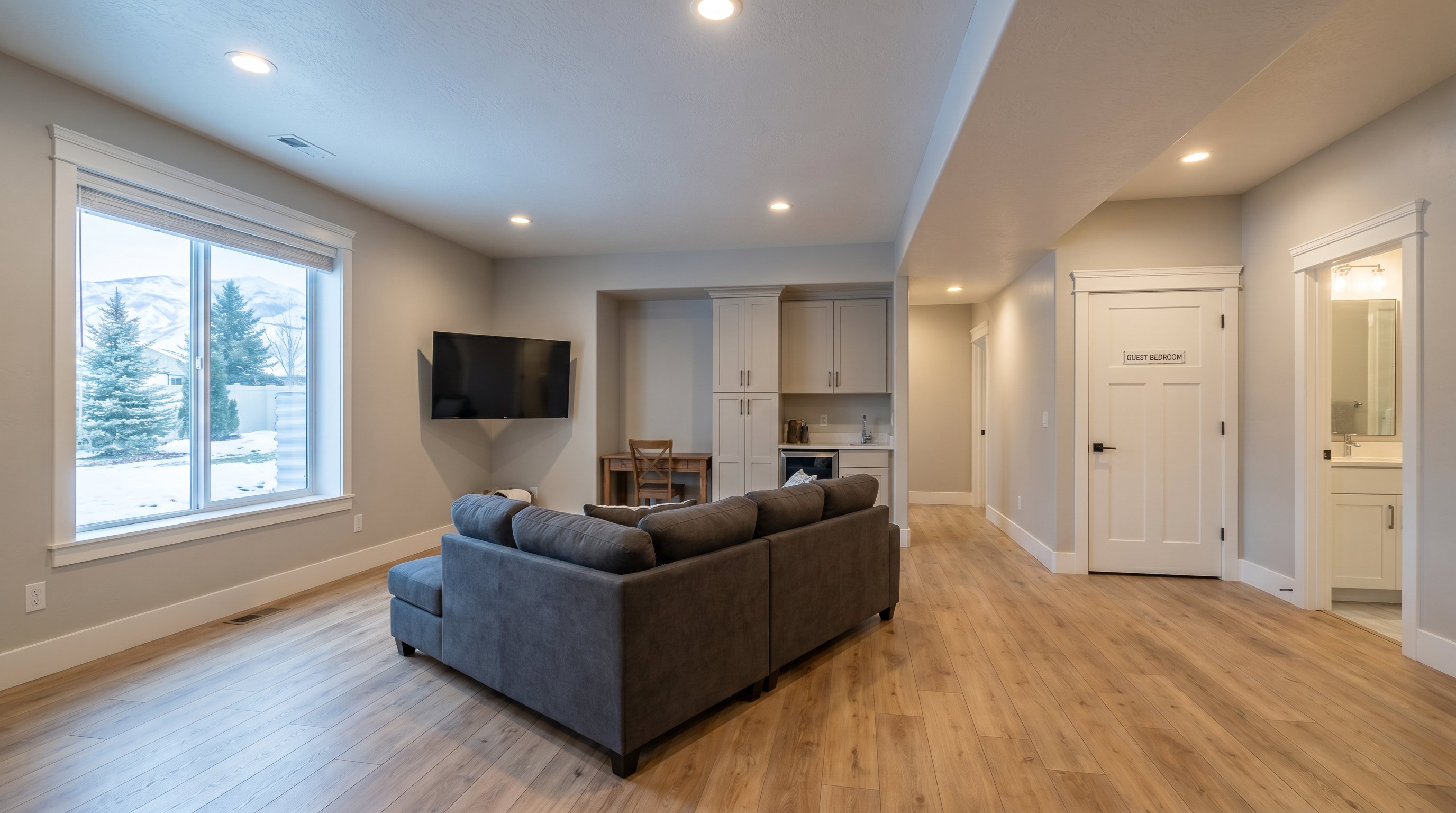
Home remodeling gets expensive fast when the first decision is paint color instead of purpose. We've walked into plenty of homes where owners were ready to demo a wall, then discovered the real issue was poor layout, moisture, or storage. In Weber County, that matters even more because older neighborhoods near Ogden, North Ogden, and South Ogden can bring a mix of aging systems, settling, and permit questions. The smoother path is simple: define the goal, price it honestly, confirm local rules, and build a plan around real life. That's how we help homeowners start smart instead of paying twice.
Define What You Want To Change And Why
The first answer is this: decide what problem the remodel should solve before you choose finishes. That sounds obvious, until you stand in a basement with blue tape on the floor and realize you're actually solving three different issues at once: no guest space, no storage, and nowhere for teenagers to disappear on a snowy Saturday.
In our own walkthroughs, we start with a legal pad and ask homeowners to rank goals in order. One recent project had started as "finish the basement," but within 20 minutes the real priority became an ADU-style layout for aging parents, with a separate laundry zone and a safer bathroom. That changed everything.
A useful rule: name one primary goal and up to two secondary goals. Common primary goals in Weber County home remodeling include:
- more living space for a growing family
- rental income from a mother-in-law apartment
- better function in outdated kitchens or bathrooms
- long-term resale value
According to the National Association of Home Builders, storage, flexible rooms, and aging-in-place features remain high on homeowner wish lists in 2026. If your remodel needs inspiration, reviewing finished basements or a visual gallery can help you separate ideas you like from features you'll actually use.
Set A Realistic Budget And Project Priorities
The number that surprises most homeowners is usually not the total, it's the spread. A small, plumbing-heavy remodel can cost dramatically more per square foot than a larger open-area finish.
Based on our 2024–2026 project ranges, basement finishing under 1,000 square feet often lands around $52 to $73 per square foot, while larger basements from 1,000 to 1,600 square feet typically average $45 to $56 per square foot. Smaller remodels with kitchens or bathrooms can jump to $95 to $160+ per square foot because plumbing, tile, and inspections add complexity.
We recommend splitting the budget into three buckets:
- Must-haves, framing, electrical, HVAC, moisture fixes, permits
- Should-haves, bathroom upgrades, storage, better lighting
- Nice-to-haves, golf simulators, saunas, hidden rooms, premium built-ins
That last bucket matters. We've priced projects where homeowners fell in love with a wet bar in moody navy cabinetry and brass hardware, but only after protecting money for insulation, egress, and waterproof flooring. A broader home remodel plan works best when upgrades are ranked before bids come in, not after.
Understand Weber County Rules, Permits, And Property Limits
The fastest way to slow a remodel is to skip code questions early. We've seen homeowners get deep into design only to learn that a bedroom needed egress, a ceiling soffit hid a duct run, or an ADU idea triggered extra approvals.
For Weber County home remodeling, permit requirements can vary by scope and municipality, whether you're in Ogden, Roy, or near the bench in Pleasant View. Structural work, new electrical circuits, plumbing changes, and most finished basement projects usually require permits. Bedroom basements also need egress windows that meet code for emergency escape. Utah municipalities enforce versions of the International Residential Code, and the state publishes construction oversight through the Utah Division of Professional Licensing while local permitting is handled by city or county building departments.
Property limits matter too. ADUs may involve parking, entrance, and zoning constraints. And along the Wasatch Front, we always inspect for foundation cracks or moisture before drywall because local settling soils can turn a cosmetic remodel into a repair job. For older spaces, a focused basement update often starts with code compliance, not cabinetry.
Choose The Right Remodeling Partner For Your Home
The best contractor is the one who makes problems visible early. That's not flashy, but it saves money.
We say this from hands-on experience: the most reliable remodeling partners show you what's behind the bid. On our walkthroughs, we check ceiling heights, panel capacity, drain locations, and signs of moisture intrusion before talking finishes. We also use 3D design mockups because homeowners make better decisions when they can actually see traffic flow, storage depth, and where a shower door will swing.
Ask direct questions:
- Are you licensed and insured in Utah?
- Who handles permits and inspections?
- What is your communication schedule?
- How do you protect the lived-in parts of the house?
Those answers reveal a lot. The Federal Trade Commission advises homeowners to verify licensing, references, and contract details before signing any remodeling agreement. A capable remodeling team should also explain dust barriers, daily cleanup, and timeline risks clearly. If they can't explain the process simply, the process probably isn't simple.
Create A Plan That Fits Your Timeline And Daily Life
The schedule should fit the family, not the other way around. That's especially true when kids are upstairs doing assignments, a parent works from home, or the remodel includes the only guest bath.
Most standard basement projects we build take 8 to 14 weeks from framing to final paint, depending on permit timing, inspection schedules, and material lead times. That number surprises people because the visible construction can move quickly, but the handoffs matter: framing, rough electrical, rough plumbing, inspections, insulation, drywall, trim, paint, then finishes.
We map disruptions in advance. If a homeowner near Weber State needs a basement office by August, or a family in Farr West wants the theater room ready before winter holidays, we back-plan milestones and flag risks early. The practical details count too, parking for trades, dumpster placement, and daily cleanup routes.
Looking at finished projects helps homeowners understand sequencing better than a spreadsheet ever will. And if the remodel extends beyond the basement, a coordinated whole-home plan usually reduces rework and duplicate labor.
Focus On Upgrades That Improve Function, Comfort, And Long-Term Value
The smartest upgrades pull double duty: they make the house work better now and make it more desirable later. Trendy features are great, but only if they support daily life.
In Utah basements, we regularly steer homeowners toward LVP or engineered hardwood because they handle snow, tracked-in moisture, and big temperature swings better than solid hardwood. That recommendation comes from real-world use, not showroom theory, we've seen warped materials fail where waterproof products held up beautifully. The U.S. Department of Energy also notes that insulation and air sealing can significantly improve comfort and operating costs, which is why envelope details matter as much as finishes.
High-value upgrades we're building more often in 2026 include:
- legal bedrooms with egress windows
- ADU kitchens and separate laundry
- walk-in showers and accessible baths
- wet bars with custom cabinetry
- home gyms, saunas, and golf simulator bays
- cold storage shelving or climate-controlled wine rooms
For homeowners comparing options, our basement finishing work and selected business projects show the same principle: durable design beats flashy design that ages badly.
Conclusion
A smoother remodel starts with clarity, not demolition. When you define the goal, price the work honestly, confirm Weber County rules, choose a partner carefully, and plan around real life, better decisions come easier. That's the difference between a stressful renovation and one that actually improves how your home feels, functions, and holds value for years.