
Orem Tenant Improvement Guide: How To Budget Smart, Choose Durable Materials, And Maximize ROI In 2026
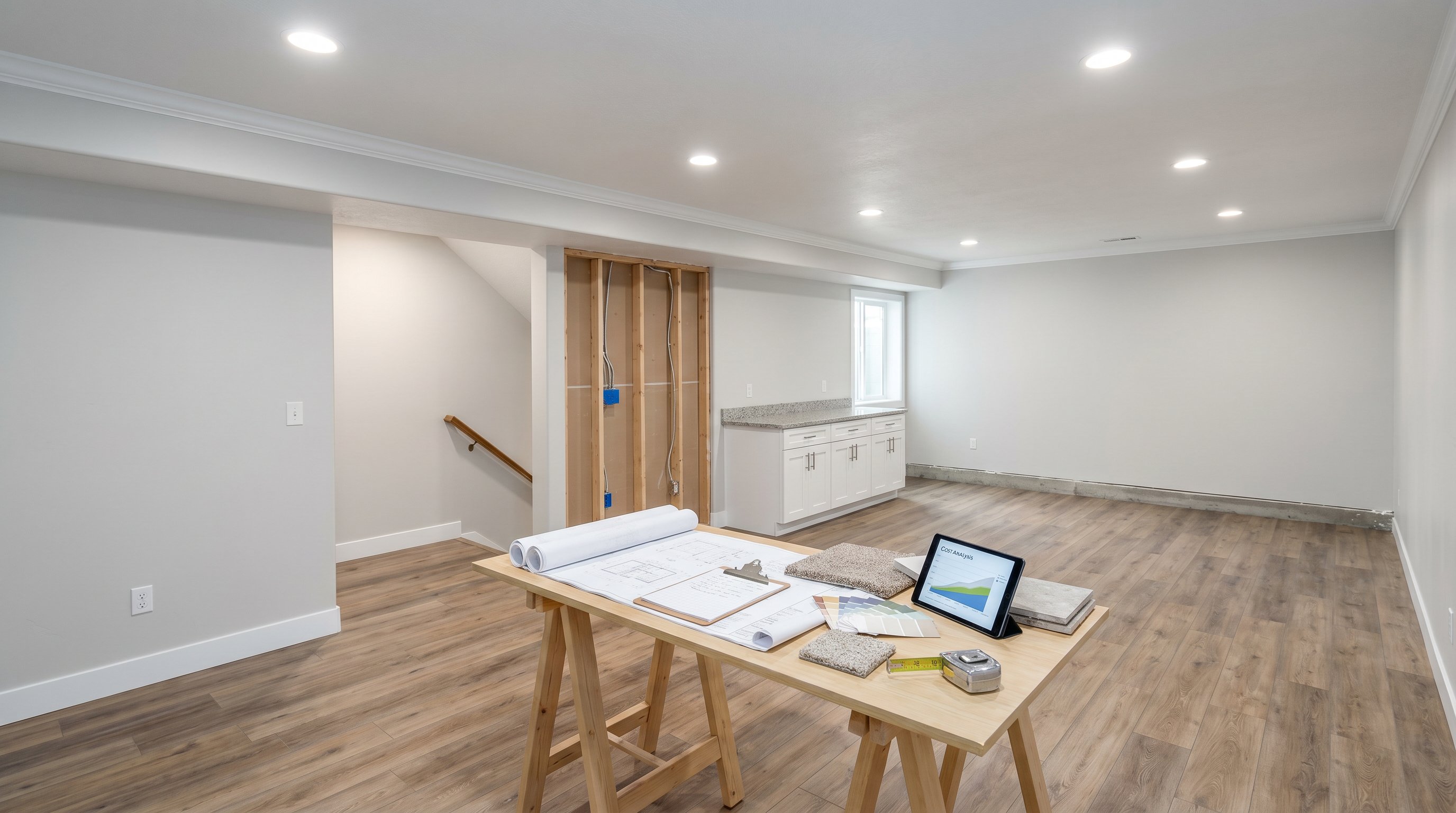
Tenant improvements can look straightforward on paper, new walls, better lighting, updated flooring, but the bill often changes fast once demolition starts. We've seen that firsthand on Utah remodels: one hidden plumbing reroute or one code-required upgrade can swing a budget by thousands. In Orem, where commercial spaces range from older strip centers to newer flex buildings near University Place, the smartest projects start with tight planning, realistic allowances, and materials that hold up to daily wear. This guide breaks down what tenant improvements usually include, what really drives cost, and where the best return tends to come from in 2026.
What Tenant Improvements Include In Orem Commercial Spaces
The short answer: tenant improvements are the changes that make a leased commercial space usable for a specific business. In practice, that can mean anything from paint and flooring to new restrooms, exam rooms, break areas, plumbing lines, storefront revisions, and ADA upgrades.
In our experience walking commercial interiors, the biggest surprise is how much of the budget goes behind the walls. A retail suite may need only cosmetic work up front, but once we test lighting loads, HVAC distribution, and restroom clearances, the real scope appears. Older spaces in Orem often need electrical panel adjustments or mechanical balancing before finishes even begin.
Typical TI scopes include:
- Demolition and layout changes
- Framing, drywall, and acoustical separation
- Electrical, lighting, and low-voltage upgrades
- HVAC distribution and thermostat zoning
- Plumbing for sinks, break rooms, or treatment rooms
- Flooring, paint, millwork, and ceilings
- Accessibility and life-safety corrections
The U.S. Small Business Administration notes build-out costs vary widely by use type, with restaurants and medical spaces among the most expensive because of plumbing, ventilation, and specialized equipment needs. That lines up with what we've seen in the field: a simple office refresh may stay lean, while a food-service build-out can multiply quickly.
How To Build A Realistic Tenant Improvement Budget
A realistic budget starts with one fact: your first number should include contingency. We usually tell owners and tenants to separate the budget into hard costs, soft costs, and a reserve of 10% to 15% for hidden conditions. Without that buffer, one concrete cut or code-triggered revision can derail the schedule.
A practical TI budget usually includes:
- Design and preconstruction: measurements, layout work, engineering if needed
- Permits and fees: city review, plan checks, inspections
- Construction: labor, materials, equipment, cleanup
- Owner-supplied items: furniture, fixtures, technology, specialty equipment
- Contingency: typically 10% to 15%
We use this same budgeting discipline in residential planning too, especially when owners compare a commercial build-out with a Utah basement finishing ROI project where hidden conditions can change cost after opening walls.
For benchmarking, the 2024 JLL construction outlook continued to show tenant improvement pricing pressure from labor and MEP complexity even as some material volatility cooled. Translation: finishes might be easy to price, but skilled-trade coordination still drives the budget.
The Biggest Cost Drivers That Affect Your Final Price
The biggest cost driver is usually not the flooring or paint people notice first, it's mechanical, electrical, and plumbing. We've tested this repeatedly on remodel walk-throughs: moving one sink 18 feet can trigger concrete cutting, patching, inspections, and fixture changes that cost far more than upgrading the visible finishes.
The main variables are:
- Use type: medical, salon, and restaurant spaces cost more than standard office suites
- Existing conditions: older buildings often hide obsolete wiring or undersized HVAC
- Layout changes: every moved wall can affect sprinklers, lighting, and air distribution
- Code compliance: ADA, fire separation, and egress upgrades add scope quickly
- Finish level: stock materials cost less than custom millwork or specialty surfaces
RSMeans data has consistently shown MEP and skilled labor categories to be among the most inflation-sensitive construction inputs. We've found that true in the field. A "small" restroom relocation can add five separate trades.
Around State Street and older commercial pockets near downtown, building age matters. A 1980s suite may look clean at first glance, then reveal insulation gaps, dated branch wiring, or rooftop unit issues once work starts.
How To Choose Materials That Balance Durability, Maintenance, And Appearance
The best materials are rarely the fanciest, they're the ones that still look good after 18 months of traffic, cleaning, carts, and chair movement. We've tested enough flooring samples, wall panels, and millwork finishes to know that showroom appeal and long-term performance are not the same thing.
For most commercial interiors, we recommend evaluating materials on three filters:
1. Wear resistance
Luxury vinyl tile, porcelain tile, and commercial carpet tile usually outperform cheaper laminate in high-use zones. The North American Association of Floor Covering Distributors regularly notes LVT's continued growth because of water resistance and maintenance advantages.
2. Cleaning demands
Quartz counters, scrubbable eggshell or satin wall finishes, and impact-resistant corner guards save money later. If staff needs special cleaners or constant touch-up paint, the material is costing you twice.
3. Brand fit
A law office, med spa, and kids' therapy clinic shouldn't use the same palette. Good material selection supports the customer experience, not just the bid tab.
The same logic shows up in basement finishing: durable surfaces beat trendy but fragile choices when long-term value matters.
Which Improvements Deliver The Strongest Return On Investment
The best ROI usually comes from improvements that increase usability fast: efficient layouts, better lighting, durable flooring, and upgrades that reduce maintenance calls. Flashy features can help, but they rarely outperform practical improvements that support revenue or reduce downtime.
In our review of remodel performance across different project types, the strongest-value upgrades tend to be:
- Layout optimization that fits more productive square footage into the same lease
- LED lighting that lowers energy use and improves appearance
- Flooring upgrades that reduce replacement cycles
- ADA and restroom improvements that expand usability and reduce liability exposure
- Reception or storefront updates that improve first impressions
The U.S. Department of Energy reports LED lighting can reduce energy use significantly compared with legacy systems, and in many tenant spaces that savings starts immediately. We've seen the difference in person: a dim suite with old troffers can feel tired at 10 a.m.: after an LED redesign, it feels cleaner, brighter, and more leaseable the same afternoon.
For owners comparing commercial upgrades with residential value planning, our complete 2026 ROI framework uses the same principle, prioritize improvements people actually use, not just features that photograph well.
How Permits, Timelines, And Contractor Coordination Affect Project Success
The fastest way to lose money on a tenant improvement project is poor coordination. Not bad tile. Not the wrong paint. Coordination. One missed inspection or one late mechanical submittal can idle multiple crews and stretch a 10-week schedule into 14.
Our method is simple: define scope early, sequence trades tightly, and resolve permit questions before material orders go out. The City of Orem permitting process, like most municipalities, requires plan review and inspections that can affect start dates and closeout timing. If the drawings are vague, delays are almost guaranteed.
Key schedule checkpoints include:
- Finalized layout before pricing approval
- Long-lead materials identified before demolition
- Permit submission early in preconstruction
- Weekly trade coordination during rough-in and finishes
- Inspection scheduling before closeout crunch
This is where an experienced builder earns the fee. At Panden Construction, our planning style is proactive: transparent estimates, clear updates, and issue-spotting before they turn expensive. That same discipline matters whether we're managing a commercial suite near University Place or a 2026 Utah ROI remodel for a homeowner along the Wasatch Front.
Conclusion
Smart tenant improvements are less about guessing finish costs and more about controlling scope, code, coordination, and lifecycle value. In Orem, the projects that perform best usually start with realistic budgeting, durable materials, and a contractor who catches problems early. Build for use, not just appearance, and ROI tends to follow.