
Herriman ADU Construction Zoning Rules And Building Permits: What Homeowners Need To Know In 2026
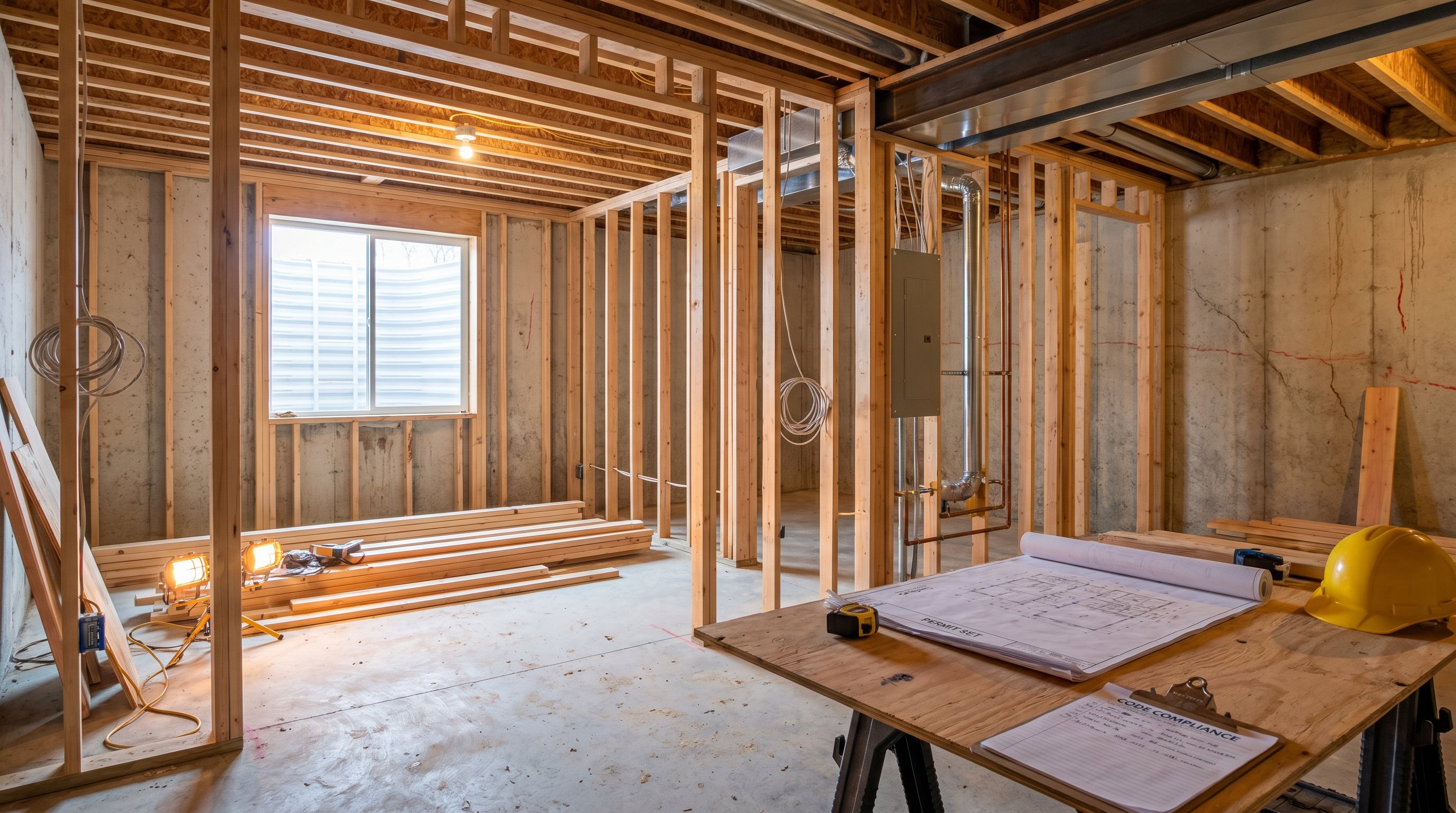
Adding an ADU in Herriman can unlock rental income, flexible space for family, or a smarter aging-in-place setup, but the rules shape the project long before framing starts. We've worked through Utah permitting and basement/ADU planning enough to know the expensive mistakes usually happen on paper, not on site. In 2026, homeowners need to think about zoning, setbacks, parking, utilities, and inspections together. A beautiful plan that ignores one city requirement can stall for weeks. Here's the practical breakdown we'd want before spending a dollar on design.
Why Herriman ADU Rules Matter Before You Design Or Build
The biggest surprise for most homeowners is this: the ADU design is usually not the first hurdle, the property is. Before we sketch a kitchen or lay out a separate entrance, we verify whether the lot, existing home, and zoning district can support the kind of accessory dwelling unit you want.
In our experience across the Wasatch Front, the cheapest hour in any ADU project is the early feasibility review. We've seen homeowners spend thousands on drawings, then discover the lot coverage, parking layout, or access standards don't work. That's why we start with site conditions, utility paths, and code triggers first. On homes in Herriman, especially in newer subdivisions near Daybreak-adjacent growth corridors and older pockets closer to Riverton lines, HOA restrictions can also complicate otherwise code-compliant plans.
Utah's ADU framework has become more permissive in recent years, but local administration still matters. The Utah Legislature and local land-use rules work together, and city review determines what actually gets approved. The Utah Department of Commerce and local building departments set the baseline expectation: plans must be code-compliant, buildable, and safe. We treat zoning due diligence the same way we treat structural review, because both can stop a project cold.
For homeowners comparing options, a well-planned ADU project usually moves faster than a redesign after submittal.
Which Zoning And Property Standards Can Affect ADU Approval
The hard truth is that ADU approval often comes down to a handful of property standards, not broad intent. We look first at zoning designation, owner-occupancy requirements if applicable, lot dimensions, access, and whether the ADU is internal, attached, or detached.
Here's where real-world testing helps. When we review a site, we map the existing footprint, driveway width, utility locations, and any grade changes. On one Wasatch Front property, a detached-unit concept looked perfect in a 3D mockup, but a sloped side yard and easement conflict eliminated the needed buildable area. That kind of issue doesn't show up in a Pinterest board.
Herriman homeowners should expect the city to review:
- underlying zoning district
- lot size and configuration
- whether setbacks can still be met
- height and lot coverage limits
- driveway and parking arrangement
- utility service capacity
- HOA or plat restrictions where relevant
According to the International Residential Code, which local jurisdictions commonly adopt with amendments, life-safety features like egress, fire separation, stairs, and ceiling heights can also affect layout from day one. For basement ADUs, we also inspect for settling, foundation cracks, and moisture, common issues along the Wasatch Front, before finalizing walls or finishes. That up-front review protects both the permit and the build quality.
For homeowners weighing detached options, separate living spaces need even tighter site analysis because the structure itself changes coverage, access, and utility planning.
How Size, Setbacks, Parking, And Utility Requirements Shape Your Plans
Most ADU plans get reshaped by four numbers: square footage, setback distance, parking count, and utility capacity. If one of those numbers is off, the whole plan shifts.
We've had projects where moving a wall just 18 inches solved a setback conflict and preserved a separate entrance. Another time, a panel upgrade became the deciding factor because the existing electrical service couldn't support a full kitchen, laundry, and mini-split system. Those are the details that make an ADU practical instead of theoretical.
Size and setbacks
Cities often regulate ADU size relative to the main home or cap total square footage. Setbacks matter even more for detached units and additions. Exact standards can change, so we verify them against current Herriman requirements before design lock.
Parking and access
Off-street parking may be required depending on location and ADU type. A narrow driveway, snow-storage area, or awkward side-yard approach can create problems fast, especially during Utah winters.
Utilities and safety
Separate or upgraded utility connections may be needed. Basement ADUs frequently trigger egress window work, and the IRC requires emergency escape openings in sleeping rooms. The U.S. Department of Energy also notes that proper insulation and air sealing reduce energy loss significantly, which matters in Utah's temperature swings.
When homeowners ask about finishes, we usually steer them toward waterproof flooring and practical layouts used in our Utah remodeling work because durability matters as much as approval.
What To Expect From The Herriman Building Permit Process
The good news? The permit process is predictable when the plans are complete. The frustrating part is that incomplete submittals can cost weeks.
In practice, we prepare for permitting in four stages: feasibility review, plan development, city submittal, and inspection closeout. Most standard basement or ADU-related projects we handle run about 8 to 14 weeks from framing to final paint once permits are in hand, but review timelines vary depending on revisions and workload.
A typical Herriman permit package may include:
- site plan with setbacks and access
- floor plan and elevations
- structural details where needed
- electrical, plumbing, and HVAC scope
- energy-code information
- contractor and licensing information
We're meticulous here because city comments usually target missing dimensions, unclear utility notes, or life-safety details. The State of Utah construction licensing resources are also a reminder that licensed contractors matter: permit-ready documentation is rarely accidental.
Around Herriman, from Rosecrest benches to neighborhoods near Mountain View Corridor, inspection logistics can vary with access and occupancy. If the ADU is inside an existing basement, inspectors may focus closely on egress, smoke/CO alarms, ceiling heights, mechanical ventilation, and plumbing tie-ins. That's one reason we handle permitting proactively: every electrical panel, plumbing line, and framing change needs to line up before inspectors arrive.
For owners planning mixed-use improvements, our construction team in Utah applies the same documentation discipline to keep approvals moving.
Common ADU Approval Mistakes Homeowners Can Avoid
The mistake that catches people off guard most often is assuming a finished basement automatically qualifies as an ADU. It doesn't. A legal dwelling unit has specific code and zoning requirements, and missing even one can derail approval.
The most common mistakes we see are:
- Designing before verifying zoning. Beautiful plans don't fix a noncompliant lot.
- Ignoring egress rules. Every basement bedroom needs compliant emergency escape and rescue openings.
- Underestimating utilities. Existing sewer, water, electrical, or HVAC systems may need upgrades.
- Skipping moisture and foundation review. On the Wasatch Front, that's risky.
- Assuming HOA approval equals city approval. They're separate processes.
One homeowner we advised had already priced cabinets and appliances before anyone checked headroom at a stair landing. The revision cost was far less than a failed inspection would've been, but it was still avoidable.
Authoritative guidance backs this up. The Federal Emergency Management Agency and modern residential codes both emphasize life safety, access, and resilient construction details. For us, that means inspecting the shell first, then building the unit around what the house can safely support, not forcing the house to fit a concept.
How To Plan A Smoother ADU Project From Feasibility To Final Inspection
The fastest ADU projects usually start slower. That sounds backward, but it's true: one careful feasibility phase can save multiple rounds of redesign and permit comments.
Our process is simple and tested. First, we measure the existing conditions, inspect structure and moisture, and confirm code-sensitive items like ceiling heights, stairs, and egress. Second, we map the homeowner's goal, rental income, a mother-in-law apartment, or multigenerational living, against zoning and utility realities. Third, we price the project with enough detail to avoid "surprise" change orders.
For Utah homeowners, budgeting matters. Based on our 2024–2026 project history, smaller basement finishes under 1,000 square feet often land around $52 to $73 per square foot, while larger 1,000–1,600 square foot basement finishes average about $45 to $56 per square foot. A kitchen, bathroom, laundry, separate entrance, and utility upgrades can push an ADU above a basic finish, so early scoping matters.
In Herriman, we also account for local realities: snow-season access, soil movement, and neighborhood-specific expectations. Near Blackridge Reservoir or newer hillside developments, exterior access and drainage planning can be every bit as important as interior layout. That's why we use transparent design reviews, practical finish recommendations, and weekly communication, it keeps the project smooth from concept through final inspection.
Conclusion
A successful ADU in Herriman starts with feasibility, not finishes. When zoning, setbacks, utilities, safety code, and permit strategy are aligned early, the project gets faster, cleaner, and far less expensive to correct. Our advice is straightforward: verify the property first, design second, and build with a team that understands Utah code, local soil conditions, and the inspection process from start to finish.